

REQUEST AN APPOINTMENT
LET'S CONNECT NOW
Schedule your no obligation consultation by fill out the form below.

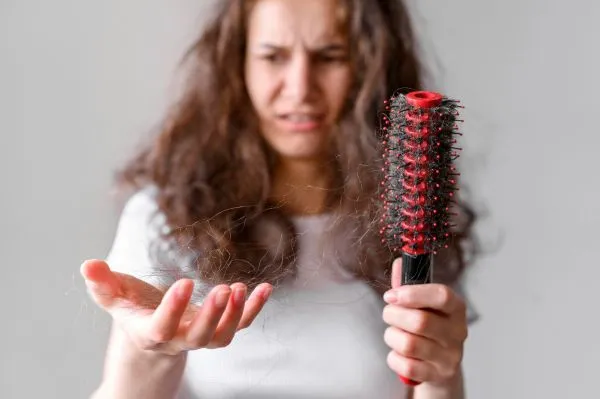
Have you noticed increased hair shedding after a stressful period at work, exams, illness, or a major life event?
You're not imagining it. Stress can significantly affect the hair growth cycle, causing noticeable hair fall weeks or even months after the triggering event.
Emotional and physical stress can disrupt the normal hair growth cycle.
Hair fall often appears 2–3 months after a stressful event rather than immediately.
Many cases of stress-related hair loss improve once the underlying trigger is addressed.
Hair follicles are highly sensitive to changes within the body. During periods of intense emotional or physical stress, hormonal and biochemical changes can interfere with the normal hair growth cycle.
As a result, more hair follicles may prematurely enter the resting phase, eventually leading to excessive shedding. This condition is commonly known as Telogen Effluvium.
The active growth phase where hair follicles continuously produce new hair.
The resting phase where hair growth temporarily stops before shedding occurs.
Older hairs are shed, making room for new hair growth.
High-pressure jobs, deadlines, and burnout may contribute to prolonged stress levels.
Relationship issues, grief, anxiety, and major life changes can affect hair health.
Surgery, severe illness, high fever, accidents, or significant weight loss can trigger excessive shedding.
More hair than usual on pillows, brushes, or shower drains.
Diffuse thinning across the scalp rather than patchy bald spots.
Hair shedding that starts several weeks after a stressful event.
Noticeable reduction in hair volume or density.
In many cases, yes. Once the stress trigger is reduced and the hair growth cycle returns to normal, shedding often improves naturally. However, recovery can take several months because hair growth is a gradual process.
Adequate sleep supports overall recovery and healthy hair growth.
Nutritional deficiencies should be identified and corrected where necessary.
Dermatologists may recommend therapies depending on the severity and cause of hair loss.
Scalp evaluation and diagnosis by a dermatologist. Treatment of nutritional deficiencies when present. Hair growth therapies such as PRP or GFC when appropriate. Stress management through lifestyle modifications and self-care.
Many cases improve within several months after the stress trigger is resolved, although recovery timelines vary.
Chronic anxiety may contribute to stress-related hair shedding by affecting the hair growth cycle.
If hair shedding is excessive, persistent, or accompanied by visible thinning, a professional evaluation is recommended to identify the underlying cause.
Why Hair Fall Increases During Stress
Stress Affects Hair Growth
Shedding May Be Delayed
Recovery Is Often Possible
How Does Stress Affect Hair?
Understanding the Hair Growth Cycle
Anagen Phase
Telogen Phase
Exogen Phase
Types of Stress That Can Trigger Hair Fall
Work-Related Stress
Emotional Stress
Physical Stress
Stress Trigger
Possible Effect on Hair
Typical Timeline
Emotional Stress
Increased shedding
2–3 months later
Severe Illness
Telogen Effluvium
Several weeks to months
Crash Dieting
Nutritional hair loss
1–3 months later
Chronic Stress
Persistent thinning
Variable
Signs of Stress-Related Hair Fall
Can Stress Hair Fall Be Reversed?
Better Sleep
Balanced Nutrition
Professional Treatment
Treatments That May Help
Frequently Asked Questions
How long does stress-related hair fall last?
Can anxiety cause hair loss?
Should I see a dermatologist for stress hair fall?
REQUEST AN APPOINTMENT
Schedule your no obligation consultation by fill out the form below.


