
REQUEST AN APPOINTMENT
LET'S CONNECT NOW
Schedule your no obligation consultation by fill out the form below.

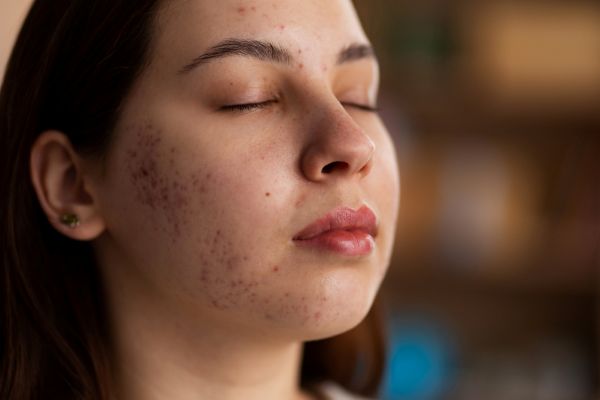
Acne scars are common but treatable. This guide explains evidence-backed treatments, timelines, and how to choose the right option for your skin type.
Acne scars form when the skin’s healing process is disrupted after inflammation — common causes include deep cysts, delayed treatment, or picking at pimples. Scars fall into types: atrophic (rolling, boxcar, icepick) and hypertrophic/keloid. Correct identification is the first step to effective treatment.
Creates controlled micro-injuries to stimulate collagen. Best for rolling & shallow boxcar scars. PRP can accelerate healing and improve texture.
Ablative & non-ablative fractional lasers improve skin texture by resurfacing. Effective for deeper boxcar and some icepick scars; downtime varies.
Subcision releases tethered scars; dermal fillers lift depressed areas for immediate contour improvement — often combined for rolling scars.
Medium peels (TCA, glycolic) reduce superficial scars and pigmentation. Multiple sessions needed; minimal downtime with proper aftercare.
Surgical removal for deep icepick scars — excision followed by closure or grafting for best cosmetic results. Ideal for isolated deep scars.
Most patients benefit from combos — e.g., subcision + microneedling, or laser + peel. A tailored plan yields the best long-term improvement.
| Treatment | Best For | Sessions | Downtime |
|---|---|---|---|
| Microneedling (+PRP) | Rolling / superficial scars | 3–6 | 1–3 days |
| Fractional Laser | Boxcar / mixed scars | 2–4 | 3–7 days |
| Subcision + Filler | Tethered rolling scars | 1–2 | 2–5 days |
| Punch Excision | Deep icepick scars | 1 per scar | 7–14 days |
| Chemical Peels | Superficial scars & pigment | 3–6 | 1–5 days |
Most people with stable skin (no active cystic acne) and realistic expectations can improve scars. Darker skin types need careful device selection to avoid post-inflammatory hyperpigmentation — that’s why an experienced dermatologist matters.
Typical timeline (varies by procedure):


