


REQUEST AN APPOINTMENT
LET'S CONNECT NOW
Schedule your no obligation consultation by fill out the form below.

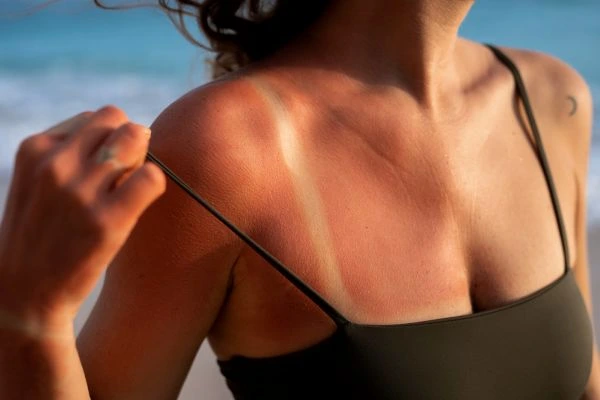
Skin darkening is a common concern, especially in sunny climates. Many people notice uneven skin tone or dark patches after sun exposure and often assume it is tanning. However, dermatologists distinguish between tanning and pigmentation, as the causes and treatments for each can differ significantly.
Seeking professional tanning removal treatment in Hyderabad helps determine the exact condition and ensures that the correct approach is used to restore an even skin tone.
Tanning occurs when the skin is exposed to ultraviolet (UV) radiation from the sun. To protect itself from damage, the skin produces more melanin, the pigment responsible for skin color. This increased melanin causes the skin to appear darker.
Tanning typically affects exposed areas such as the face, neck, arms, and hands. In most cases, it develops gradually after prolonged sun exposure.
Pigmentation refers to localized dark patches or spots caused by excess melanin production in certain areas of the skin. Unlike tanning, pigmentation may occur due to several factors including sun exposure, hormonal changes, inflammation, or certain medications.
Common pigmentation conditions include melasma, post-inflammatory pigmentation, and age spots.
Dermatologists perform detailed skin assessments to determine whether discoloration is due to tanning or deeper pigmentation. This may involve examining the skin pattern, distribution of discoloration, and medical history.
Tanning usually affects larger exposed areas evenly, while pigmentation appears as specific patches or spots. Identifying the correct condition helps dermatologists choose the most suitable sun damage treatment.
Several clinical treatments can help reverse sun-induced tanning and restore the natural skin tone.
De tan treatment helps remove superficial tanning by exfoliating dead skin cells and reducing excess melanin from the outer skin layers. These treatments often improve skin brightness and texture.
Laser toning for tan targets deeper melanin deposits using advanced laser technology. It gently breaks down pigment particles and improves overall skin clarity.
A chemical peel for tanning uses specialized exfoliating solutions to remove damaged skin layers. This encourages new skin cell growth and helps achieve a brighter, more even complexion.
Prevention plays a crucial role in maintaining healthy and even-toned skin. Dermatologists often recommend the following protective measures:
If skin discoloration persists despite basic skincare measures, it is advisable to consult a dermatologist. A professional evaluation can determine whether the concern is tanning, pigmentation, or another skin condition.
For individuals seeking tanning removal treatment in Hyderabad, dermatology clinics provide advanced technologies and customized treatment plans to restore natural skin tone safely.
Although tanning and pigmentation may appear similar, they have different causes and treatment approaches. Proper diagnosis by a dermatologist ensures the most effective treatment and long-term skin health.
With the right combination of preventive care and professional treatments, it is possible to reduce sun damage and maintain clear, radiant skin throughout the year.
Tanning vs Pigmentation: How Dermatologists Tell the Difference
What is Skin Tanning?
Signs of Tanning
What is Pigmentation?
Signs of Pigmentation
How Dermatologists Differentiate Between the Two
Treatment Options for Tanning
De Tan Treatment
Laser Toning for Tan
Chemical Peel for Tanning
Preventing Tanning and Pigmentation
When to Consult a Dermatologist
Final Thoughts


