
REQUEST AN APPOINTMENT
LET'S CONNECT NOW
Schedule your no obligation consultation by fill out the form below.

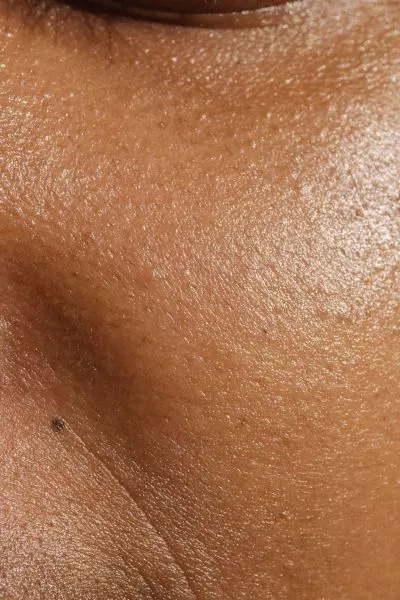
From acne scars and enlarged pores to dryness, sun exposure and natural ageing, uneven skin texture can have several causes. The right treatment depends on what is actually causing it.
Uneven skin texture means the surface of the skin does not feel or appear completely smooth. You may notice tiny bumps, rough patches, enlarged-looking pores, shallow depressions, acne scars, flaky areas or an overall lack of smoothness.
It is not always caused by one problem. For some people, the main issue is dryness or clogged pores. For others, acne scars, sun damage, pigmentation, loss of collagen or a combination of several factors may be responsible.
Skin texture can be uneven in several different ways. You might notice that your face looks smooth from a distance but feels rough when you touch it or looks irregular under bright light.
Small bumps may be related to clogged pores, acne or irritation.
Oiliness, clogged pores, acne and reduced skin firmness can make pores appear more noticeable.
Depressed or rolling acne scars can create visible dips and an uneven surface.
Dryness, irritation or a damaged skin barrier can make the surface feel rough.
Before choosing a treatment, it is important to identify the underlying cause. A treatment that helps acne scars may not be the right approach for simple dryness, for example.
Acne can affect the surface of the skin while active breakouts are present. More importantly, deeper inflammatory acne can sometimes damage the skin and leave depressed or raised scars.
Rolling, boxcar and ice-pick scars can make the skin appear uneven even after the acne itself has cleared.
Pores can appear more noticeable when they are clogged with oil and dead skin cells. Oily skin, acne and reduced skin firmness can also make pores look larger.
Pores cannot simply be permanently “erased”, but their appearance can often be reduced with appropriate skincare and treatments.
When the skin becomes excessively dry, it may feel rough, flaky or tight. Irritation from over-exfoliation or unsuitable skincare products can make the problem more noticeable.
Restoring hydration and supporting the skin barrier may be an important first step.
Cumulative sun exposure contributes to changes in skin quality, pigmentation and firmness. As skin loses some of its firmness over time, pores and surface irregularities may become more noticeable.
With age, changes in collagen, elastin, hydration and skin turnover can affect how smooth the skin looks and feels.
Fine lines, pores, laxity and previous sun damage can collectively contribute to a less even texture.
Using too many active ingredients, aggressive scrubs or frequent exfoliation can irritate the skin. Instead of becoming smoother, the skin may become dry, sensitive and rough.
This distinction matters. If your skin feels rough because of dryness, treating it aggressively for acne scars may not solve the problem. Similarly, if you have true depressed acne scars, a moisturiser alone is unlikely to significantly change the surface depressions.
These two concerns are often confused because they can occur together.
| Concern | What You May Notice | Possible Causes |
|---|---|---|
| Uneven texture | Bumps, roughness, pores, depressions or scars | Acne scars, clogged pores, dryness, ageing |
| Uneven tone | Dark spots, pigmentation or redness | Sun exposure, acne marks, melasma, inflammation |
| Both | Skin looks uneven and feels uneven | Acne, sun damage, ageing or multiple concerns together |
Not every case of uneven texture needs a procedure. A consistent, uncomplicated skincare routine can be an important foundation.
Avoid aggressive scrubbing. Irritation can make roughness and pore visibility more noticeable.
Use broad-spectrum sunscreen with SPF 30 or higher and reapply as appropriate when outdoors.
A suitable moisturiser can help reduce dryness and support the skin barrier.
More exfoliation does not automatically mean smoother skin. Excessive irritation can work against you.
Professional treatment depends on whether the main problem is acne, scarring, enlarged pores, dryness, pigmentation, fine lines or loss of firmness. A dermatologist may recommend one treatment or a combination.
Superficial or appropriately selected chemical peels can help improve skin surface quality, certain types of pigmentation, acne and some superficial imperfections.
Explore Chemical Peels →When uneven texture is caused by depressed acne scars, treatment may involve procedures such as laser resurfacing, microneedling, subcision or other scar-specific approaches depending on scar type.
Explore Acne Scar Reduction →Certain laser treatments can be used for selected concerns involving texture, pigmentation, acne scars and signs of skin ageing. The device and settings should be chosen according to the patient's skin and concern.
View Skin Treatments →Microdermabrasion provides mechanical exfoliation and may help improve the appearance of superficial unevenness, dullness and minor surface imperfections.
Explore Skin Rejuvenation Options →A carbon facial may be considered for selected concerns such as oily skin, enlarged-looking pores and uneven skin texture. Suitability depends on the individual's skin condition.
Explore Carbon Facial →When dryness, acne, clogged pores or pigmentation contributes to uneven texture, a dermatologist may recommend a tailored skincare plan before or alongside procedures.
Acne scars deserve a different approach from simple roughness. Depressed acne scars can include rolling, boxcar and ice-pick scars, and different scar patterns may respond differently to treatment.
Dermatologists may use procedures such as microneedling, laser resurfacing, chemical peels, subcision, fillers or combinations of treatments depending on the scar type and the patient's skin characteristics.
People with Indian and other darker skin tones can develop post-inflammatory pigmentation after skin inflammation or certain procedures. This does not mean that professional treatments cannot be performed, but it does make appropriate treatment selection and settings important.
Your dermatologist may consider your skin tone, tendency to pigment, current skincare routine, active acne, previous treatments and the specific type of texture problem before recommending a procedure.
Active acne or inflammation should not simply be ignored.
Sun protection is an important part of maintaining skin quality and reducing pigmentation risk.
Aggressive home peels or unnecessary treatments can irritate the skin.
Aggressive physical scrubbing can irritate already sensitive skin.
Picking or squeezing inflammatory acne can increase the risk of scarring.
Combining multiple strong products can cause irritation and dryness.
Strong chemical exfoliation without professional guidance can cause burns, irritation or pigmentation changes.
There is no single treatment that is right for every type of uneven skin texture. The following is a general guide rather than a treatment recommendation for an individual.
| Main Concern | Possible Approach | Why Assessment Matters |
|---|---|---|
| Dry, rough skin | Barrier care, moisturisation and appropriate skincare | Underlying dermatitis or irritation may need treatment |
| Clogged/enlarged-looking pores | Skincare, acne treatment and selected procedures | Oiliness, acne and skin firmness all affect appearance |
| Acne scars | Scar-specific procedures or combinations | Rolling, boxcar and ice-pick scars require different approaches |
| Pigmentation + texture | Skincare, peels or selected laser treatments | Pigmentation-prone skin needs careful treatment selection |
| Age-related texture changes | Skin rejuvenation and collagen-stimulating options | Skin laxity, fine lines and volume changes may coexist |
If your skin looks rough, bumpy or uneven despite following a regular skincare routine, a dermatology consultation can help identify whether the problem is related to acne scars, enlarged pores, dryness, pigmentation, sun damage or another skin condition.
At Inform Clinics, treatment options for skin concerns include chemical peels, acne scar reduction, carbon facial and other cosmetic dermatology procedures. The appropriate option depends on your skin condition, skin type and treatment goals.
Sudden changes can be associated with dryness, irritation, acne, clogged pores or a change in skincare products. If the change persists or is accompanied by significant inflammation, itching or other symptoms, a dermatology assessment may be appropriate.
If dryness is contributing to roughness, appropriate moisturisation can make the skin feel smoother and more comfortable. However, moisturiser cannot remove established depressed acne scars or other structural changes.
Yes. Deeper inflammatory acne can damage the skin and leave depressed or raised scars. Early acne treatment can help reduce the risk of permanent scarring.
Selected chemical peels can improve surface texture and may help with acne, pigmentation and some superficial imperfections. The type and strength of peel should be chosen according to the individual's skin and concern.
Certain laser treatments can improve selected types of uneven texture, particularly when acne scarring or other structural changes are involved. Laser choice and settings are important, especially for pigmentation-prone skin.
It depends on the cause. Dryness or irritation may improve with appropriate skincare, while acne scars and age-related texture changes generally require a longer treatment plan. Results from procedures are often gradual and individual.
No. Acne scars are one possible cause of uneven texture, but texture can also be affected by dryness, clogged pores, sun damage, ageing and other skin concerns.
Consider a consultation if the problem persists despite a gentle skincare routine, if you have persistent acne or scarring, or if your skin becomes increasingly rough, inflamed, itchy or sensitive.
Smooth-looking skin starts with understanding the cause. A dermatologist can assess your skin and discuss whether skincare, chemical peels, acne scar treatments, laser-based procedures or another approach may be appropriate.
Book a Consultation


